"Nashik Travel Guide:
7 Things to Know Before You Visit"
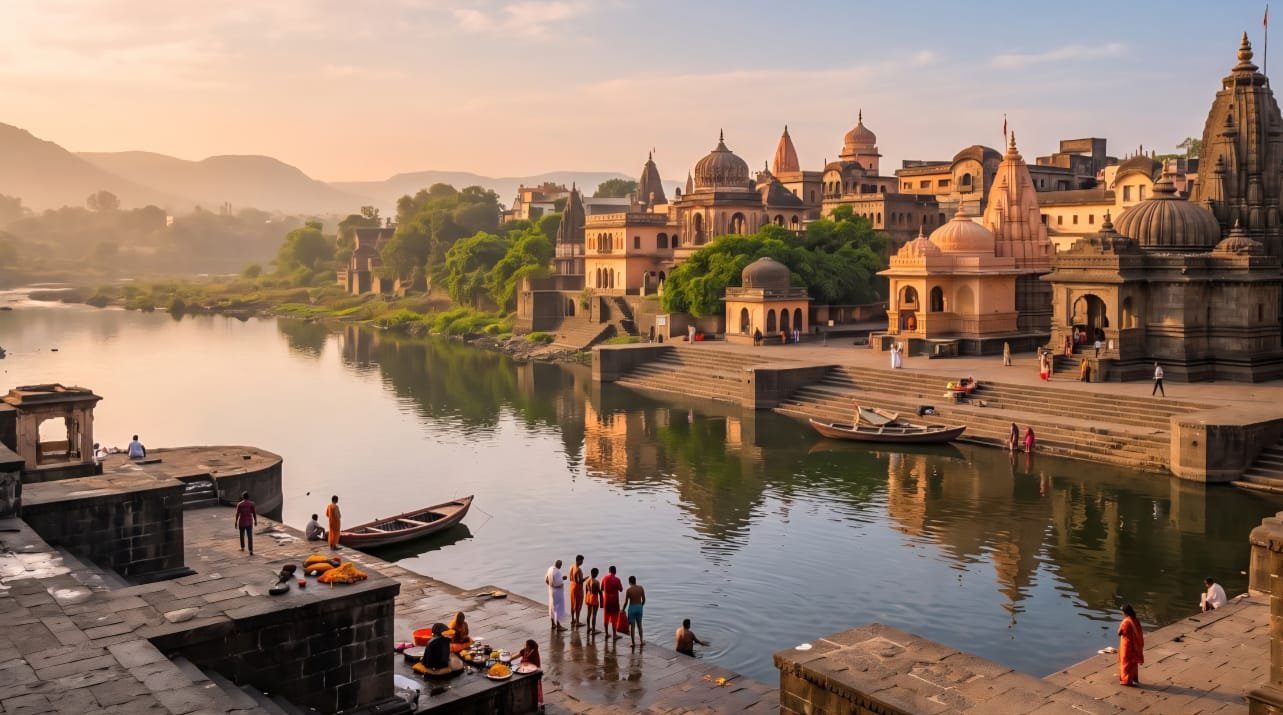
Nashik is one of Maharashtra's most well-rounded destinations — a city where ancient temples on the Godavari river sit less than an hour's drive from rolling vineyards, and where a spiritual morning at a ghat can turn into an afternoon of wine tasting. Whether you're visiting for religious reasons, a weekend getaway, or simply exploring what Nashik has to offer, this guide covers what you actually need to plan the trip: how to get there, when to go, the places worth your time, local food, and practical travel tips.Nashik sits in northwest Maharashtra on the banks of the Godavari river, roughly 165 km from Mumbai and around 210 km from Pune, which makes it an easy road trip from both cities. It's known for three very different things at once — its religious significance as one of the sites of the Kumbh Mela, its status as India's leading wine-producing region, and its collection of ancient rock-cut caves and temples. Below, you'll find a complete breakdown of everything to help you plan your visit.
State Maharashtra, India
Known for Temples, the Godavari river, vineyards, ancient caves
From Mumbai Approx. 165 km
(around 4–5 hours by road)
From Pune Approx. 210 km
(around 5–6 hours by road)
Nearest airport Nashik/Ozar Airport (limited connectivity); Mumbai's Chhatrapati Shivaji Maharaj International Airport
is the better- connected option, about 165–175 km away
Main railway station Nashik Road Railway Station
Best time to visit October to February
Local language Marathi (Hindi and English are widely understood)
How to Reach Nashik:
Nashik is well connected by road, rail, and (to a lesser extent) air, so the right option really depends on where you're starting from and how much flexibility you want once you're there.
By Road:
For most travelers coming from Mumbai or Pune, road is the most practical choice.
It's about 165 km and roughly 4–5 hours from Mumbai via NH160, and about 210 km and roughly 5–6 hours from Pune via NH60.
The added advantage of traveling by road, especially by cab, is that Nashik's main attractions — the vineyards, Trimbakeshwar,
and the ghats — are spread across the city and its outskirts,
so having a vehicle for the full trip saves a lot of time compared to figuring out local transport at each stop.
By Rail:
Nashik Road Railway Station is the city's main railhead and is well connected to Mumbai, Pune, Delhi, Kolkata, Hyderabad,
and several other major cities, with regular daily trains. It's located a short distance from the city center,
and most visitors hire a cab from the station to reach their hotel or start sightseeing.
By Air:
Nashik has its own airport, Ozar Airport, about 20–25 km from the city,
but flight connectivity is limited. Most air travelers instead fly into Mumbai's Chhatrapati Shivaji Maharaj International Airport and
continue to Nashik by road or rail, since it's the better-connected gateway with frequent domestic and international flights.
Best Time to Visit Nashik:
Type your paragraph The ideal window to visit Nashik is October to February,
when the weather is cool and comfortable for both sightseeing and vineyard visits.
Winter is also when the region's wineries look their best, with harvest season typically running from January to March.
Summers (March to June) can get quite hot, with temperatures crossing 40°C,
which makes outdoor sightseeing uncomfortable during the day.
Monsoon (July to September) brings the countryside to life and is a pleasant time for nature lovers,
though heavy rain can occasionally disrupt outdoor plans and some vineyard tours move indoors.
If you're planning around a major festival or the Simhastha Kumbh Mela (more on that below),
expect large crowds and book accommodation and travel well in advance.
Top Places to Visit in Nashik
Type your Nashik's attractions naturally fall into a few categories — spiritual sites, nature and wine experiences,
and heritage landmarks. Most visitors mix all three across a two- to three-day trip.here
Spiritual & Pilgrimage Sites
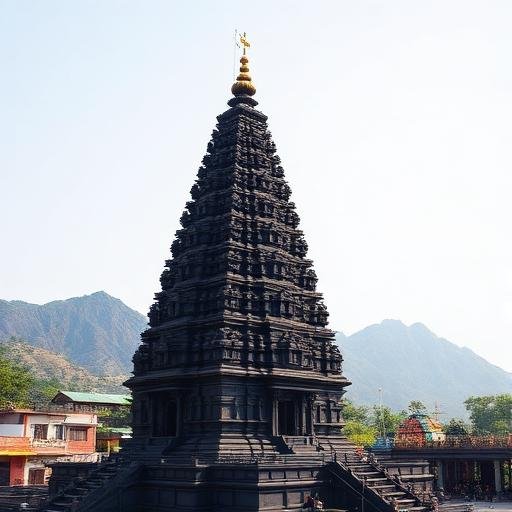
- Trimbakeshwar Temple:
One of the twelve Jyotirlingas of Lord Shiva, located about 30 km from Nashik city near the source of the Godavari river. It's one of the most significant pilgrimage stops in the region.
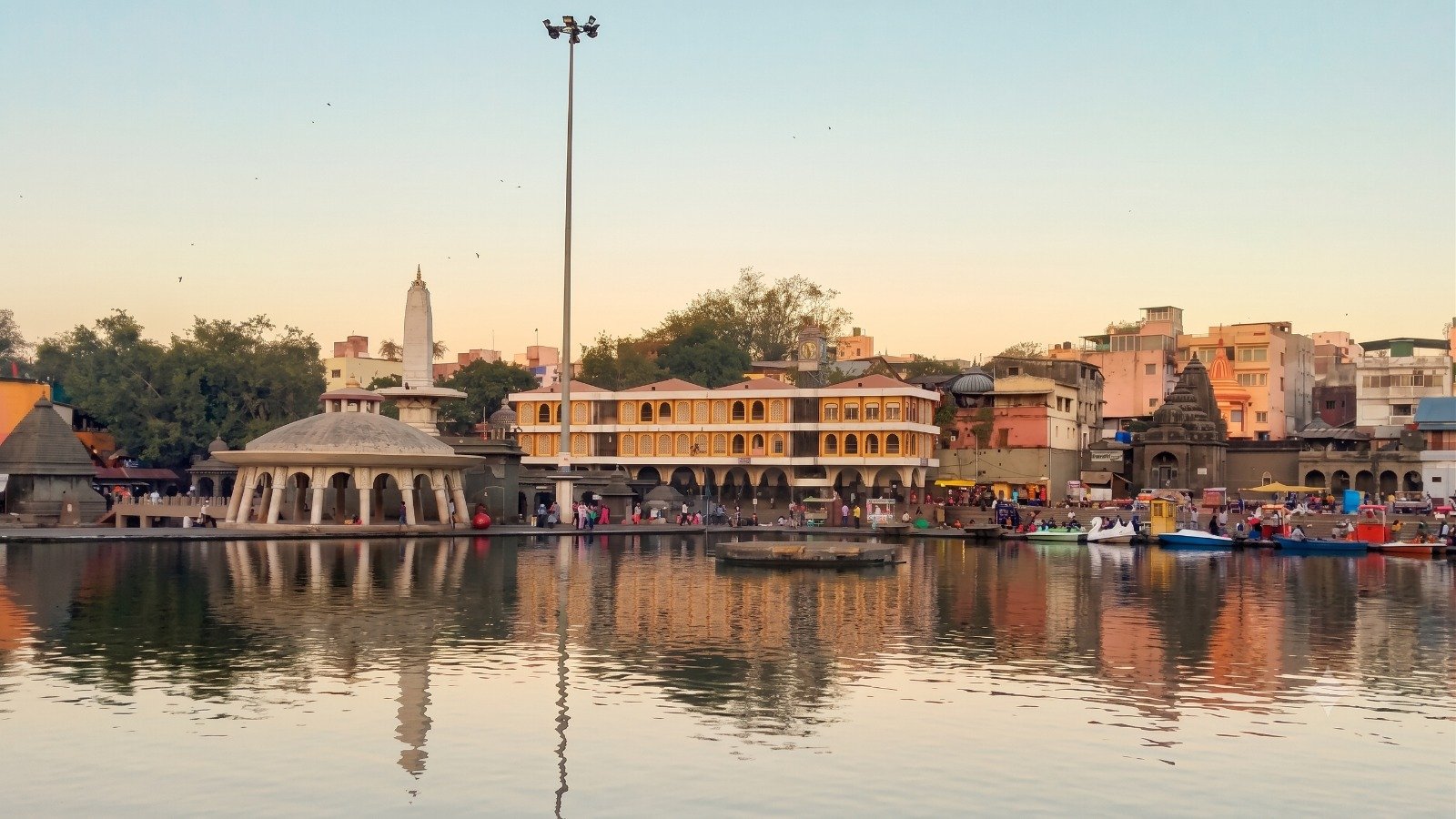
Panchavati
Believed to be where Lord Rama, Sita, and Lakshmana stayed during their exile, Panchavati is home to several temples and is one of the most historically and religiously important parts of the city.
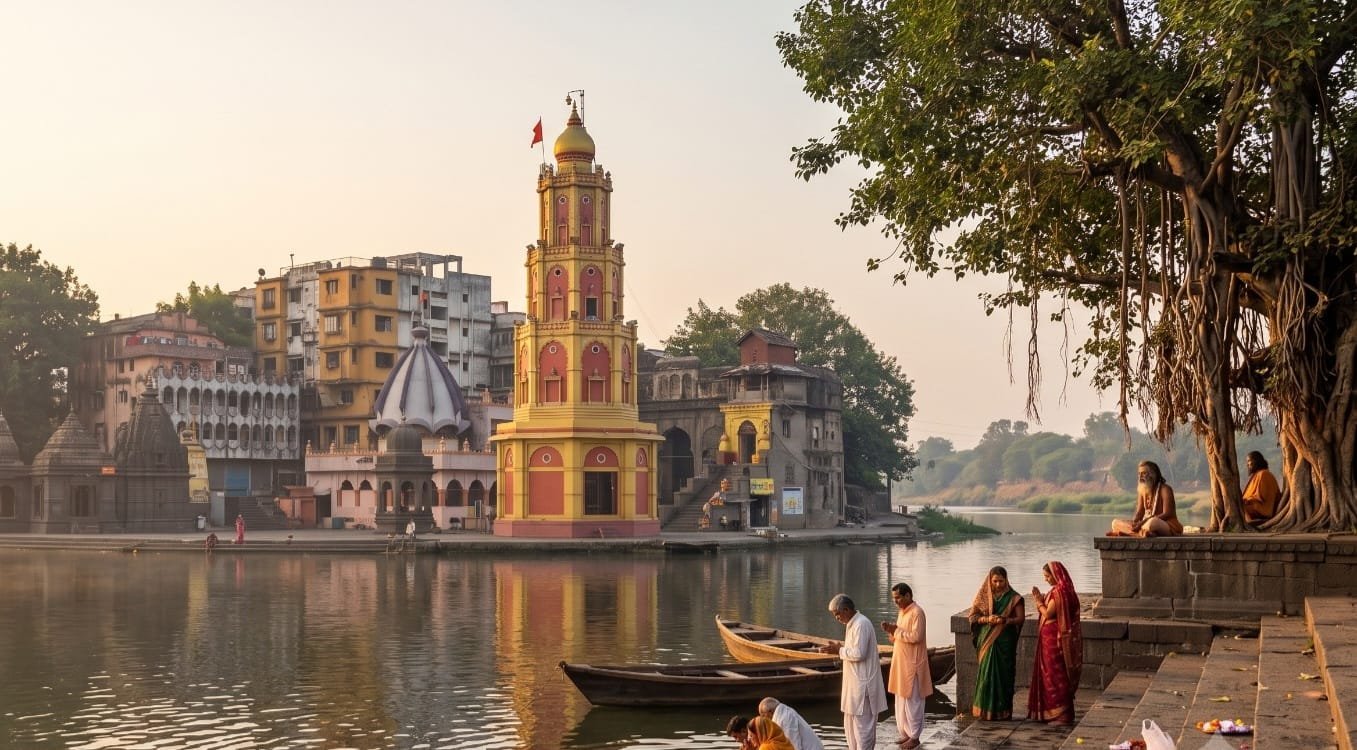
Ramkund
A sacred bathing ghat on the Godavari river in Panchavati, closely tied to the legends of Lord Rama and a major site during the Kumbh Mela.
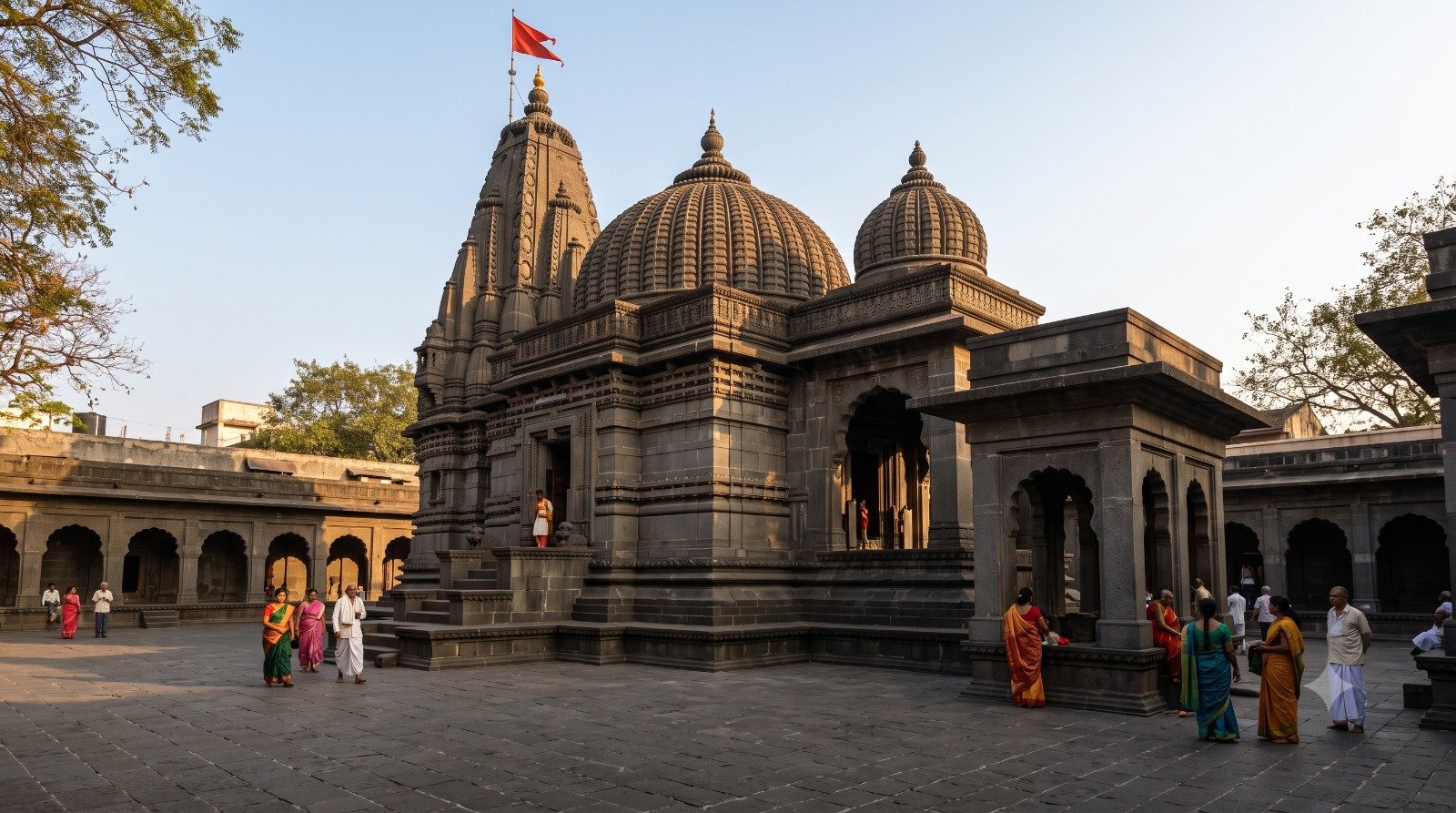
Kalaram Temple
A well-known Rama temple in Panchavati, notable for its black stone idol and architecture.
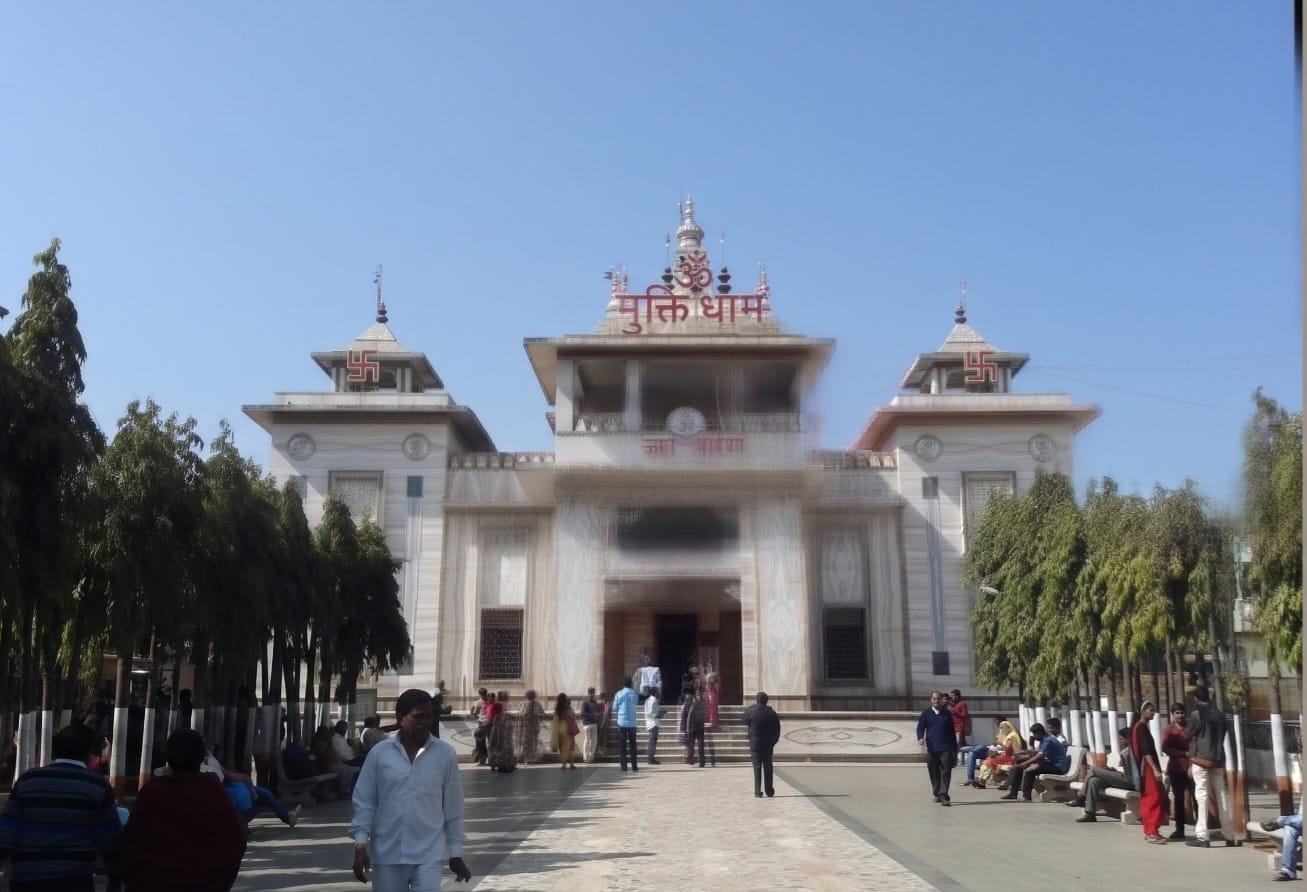
Muktidham
A marble temple complex depicting all twelve Jyotirlingas in one place, popular with pilgrims who can't visit every original site.
Nature, Wine & Leisure:
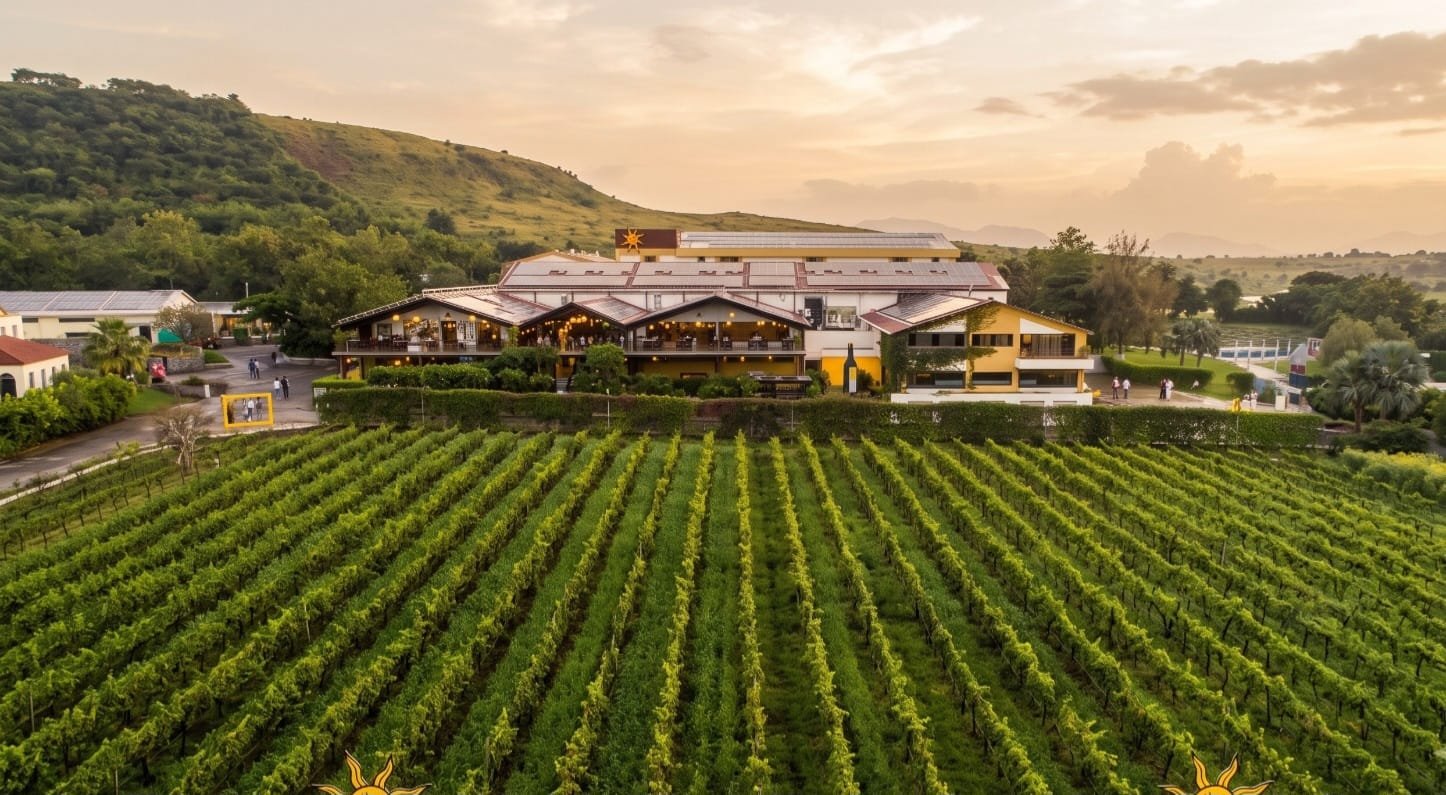
Sula Vineyards
Often credited with putting Nashik on India's wine map, Sula is the country's largest and most recognized winery, offering guided vineyard tours and wine tasting sessions. Nashik's climate and soil conditions have earned it comparisons to wine regions like Napa Valley, and the city is widely referred to as the wine capital of India. Several other wineries in the region also offer tours and tastings.
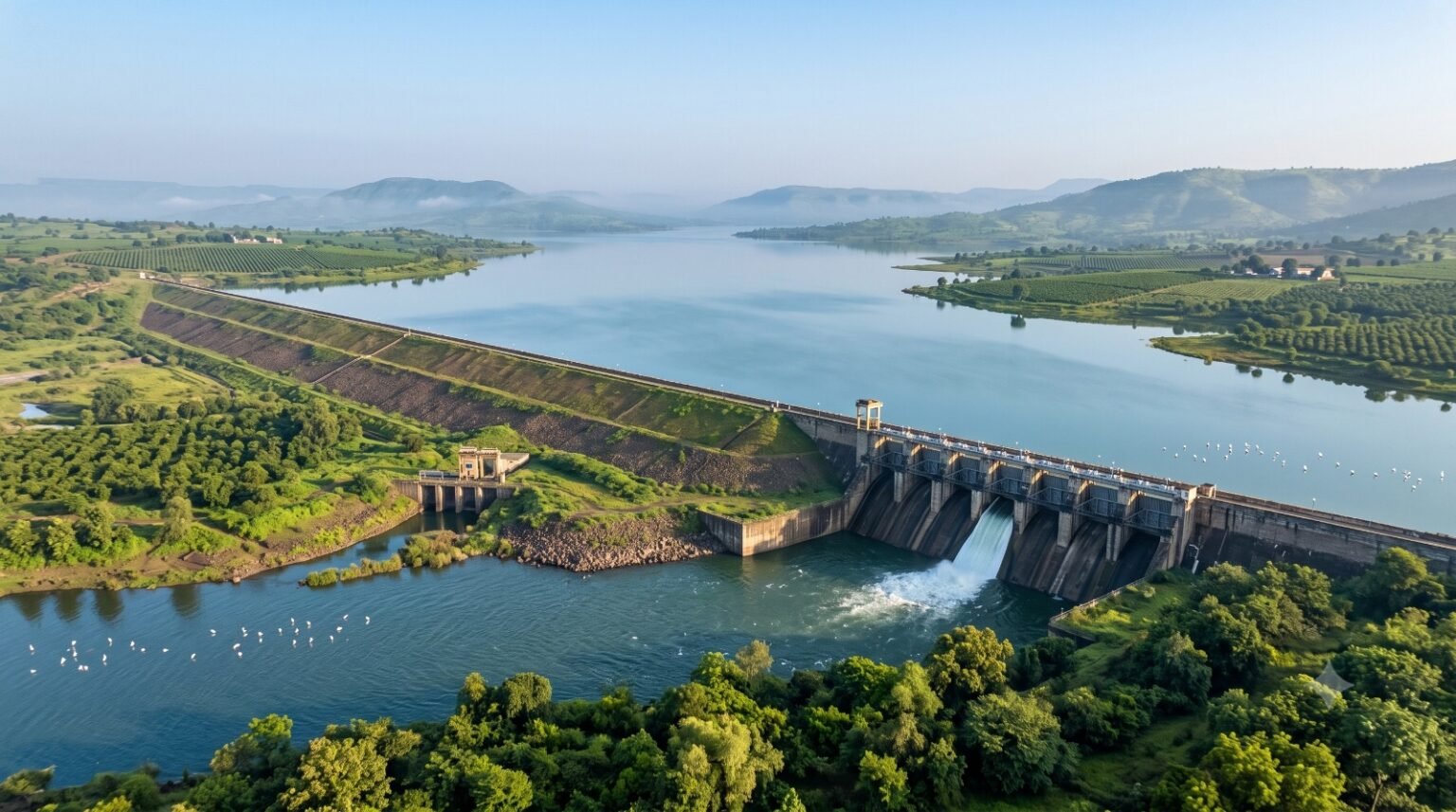
Gangapur Dam
A reservoir on the Godavari river close to the vineyard belt, popular for its views and as a relaxed stop between temple visits and wine tours.
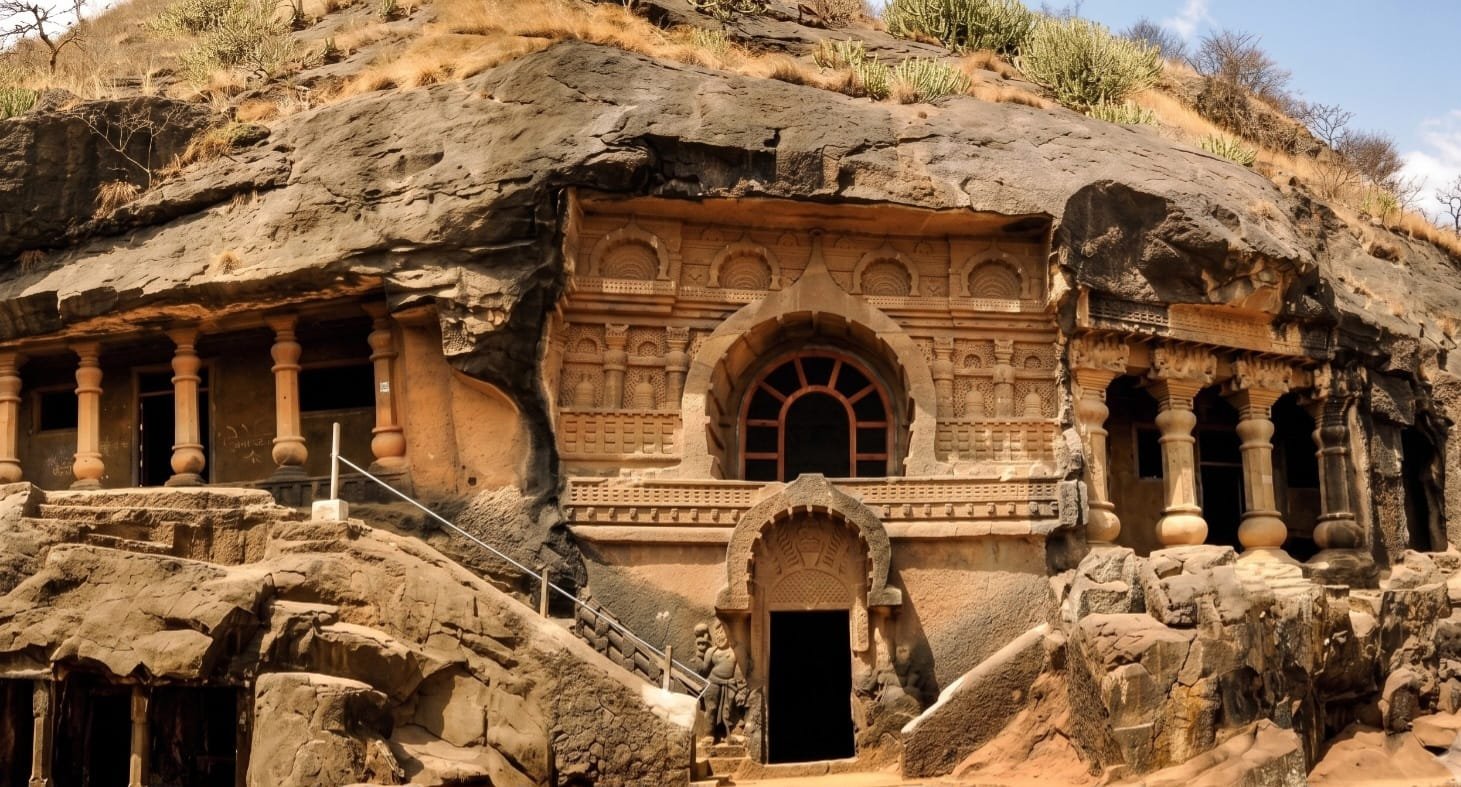
Pandavleni Caves
A set of ancient Buddhist rock-cut caves dating back over 2,000 years, carved into the Trirashmi Hills. Reaching the caves involves a climb of around 20 minutes on stone steps, so comfortable, closed-toe footwear is recommended.
Day Trips from Nashik:
Nashik's location also makes it a convenient base for short day trips:
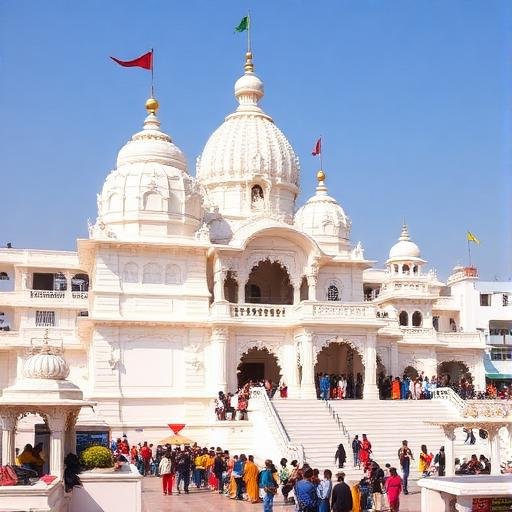
SHIRDI
Home to the Sai Baba temple, one of the most visited pilgrimage sites in Maharashtra.
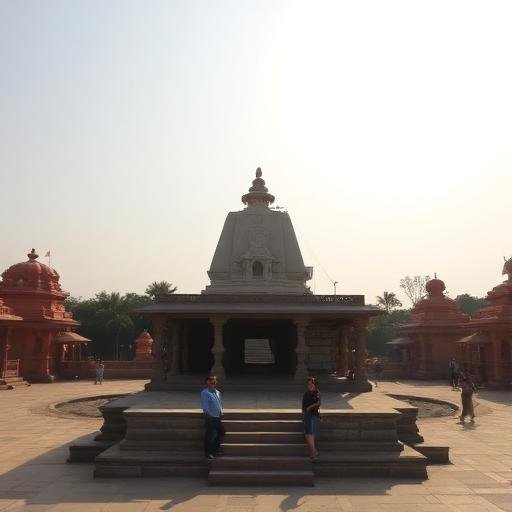
Shani Shingnapur:
Known for the Shani temple and its tradition of homes without doors.
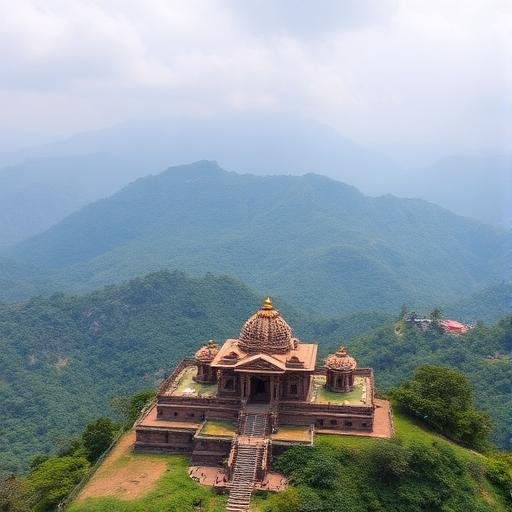
Bhimashankar:
Another of Maharashtra's Jyotirlinga temples, set in a wildlife sanctuary.
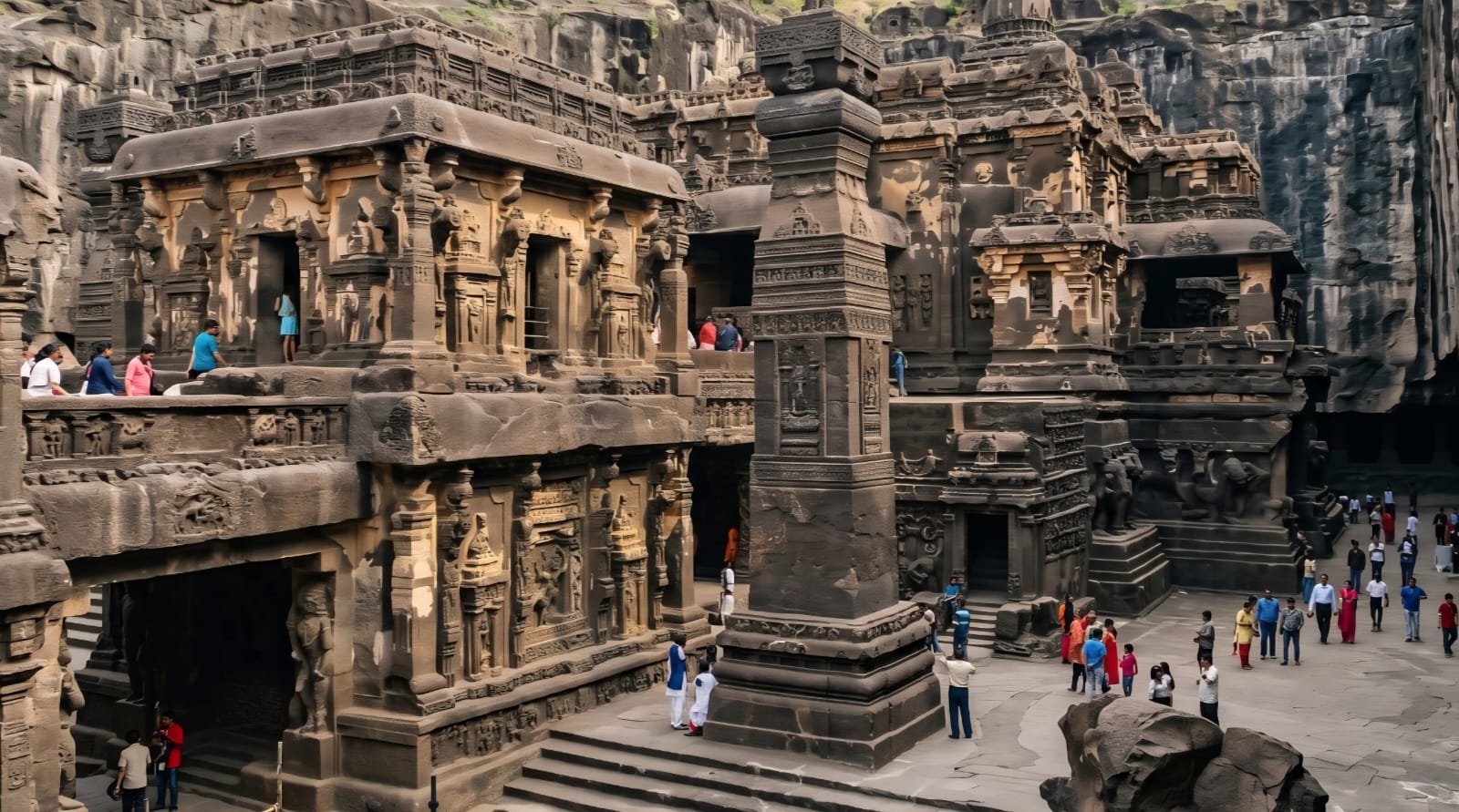
- Aurangabad, Ellora & Ajanta:
For travelers with more time, the UNESCO World Heritage cave complexes at Ellora and Ajanta are reachable via Aurangabad.
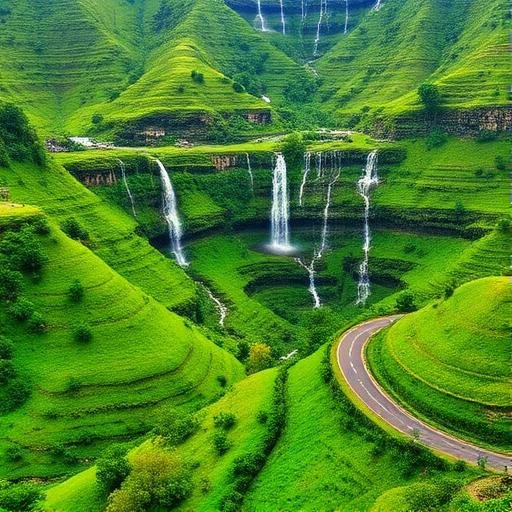
Igatpuri
A hill station known for its cooler climate, popular for a scenic short detour.
Since these destinations are spread across different directions from Nashik,
most travelers find it far easier to cover them by cab rather than relying on local buses between stops.
What Nashik Is Famous For:
Ask a few different travelers why they're visiting Nashik and you'll get very different answers — and that's really the city's biggest draw. It's simultaneously:
- A major pilgrimage center, home to Trimbakeshwar Jyotirlinga and one of the four cities where the Kumbh Mela is held.
- India's leading wine-producing region, thanks to a climate and soil profile well suited to grape cultivation.
- A city with genuine ancient history, evident in the Pandavleni Caves and the Ramayana-era significance of Panchavati.
- An agricultural hub, particularly known for grapes and onions grown in the surrounding Nashik district.
Local Food to Try in Nashik:
No trip to Nashik is complete without trying Misal Pav, a spicy curry topped with crunchy farsan and served with bread — it's a Maharashtrian staple you'll find at most local eateries. Beyond that,
Nashik's wine country naturally lends itself to trying locally produced wines at any of the region's vineyards, and the city's markets are worth a stop for anyone interested in local Maharashtrian snacks and sweets alongside the main meal spots.
Festivals & Events in Nashik:
Type your Nashik's calendar includes a mix of religious and cultural events worth planning around (or avoiding,
if you'd rather skip the crowds):here
- Simhastha Kumbh Mela:
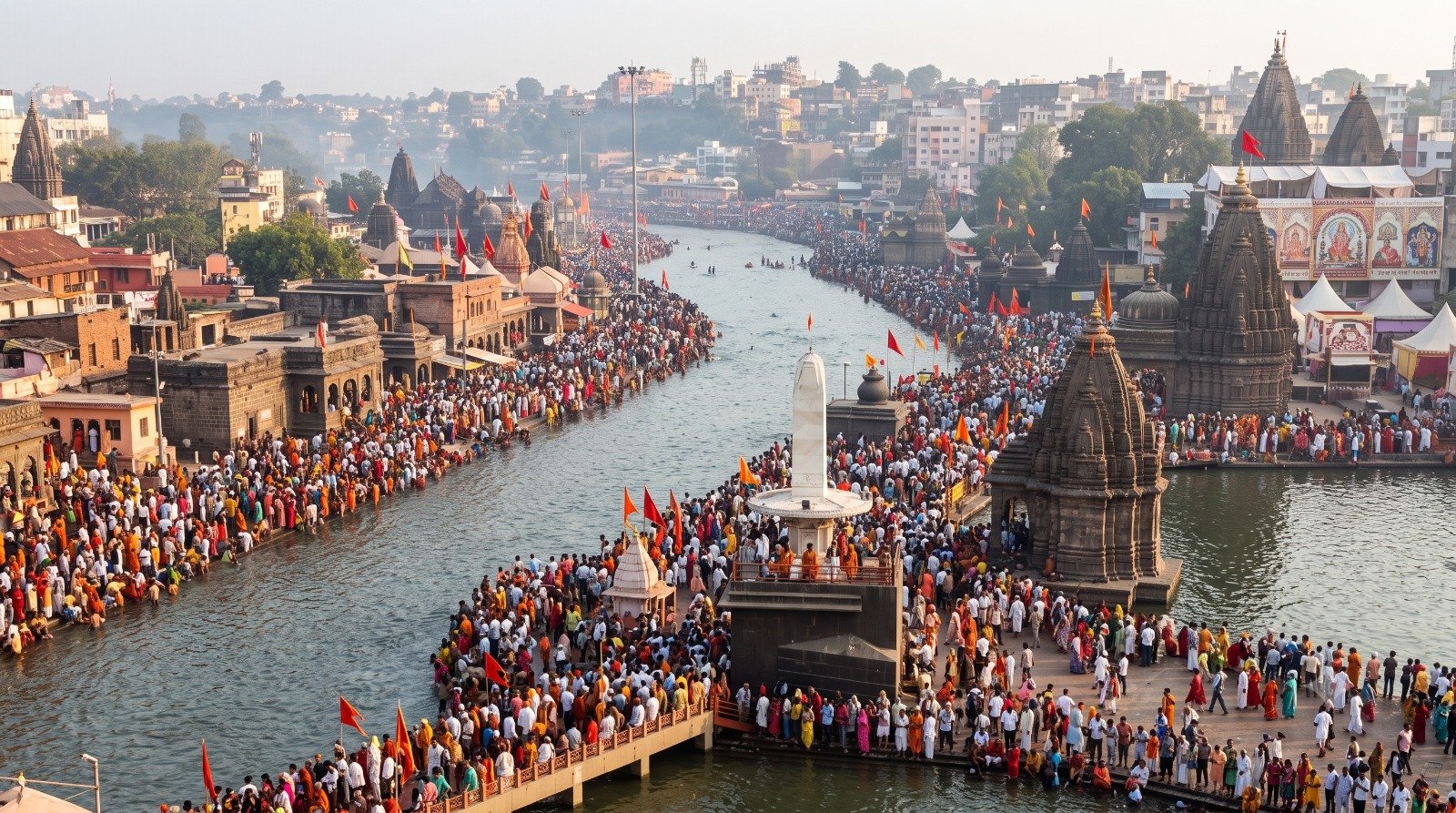
Held once every 12 years on the banks of the Godavari at Nashik and Trimbakeshwar,
this is one of the four major Kumbh Melas in India and draws an enormous number of pilgrims.
The next Simhastha is scheduled around 2026–2027,
so if your trip falls during this period, expect significantly larger crowds, heavier traffic,
and the need to book both stay and travel well in advance.
Sula Fest:

A popular music and wine festival held at Sula Vineyards, typically around late January or early February,
drawing visitors from across the country.
Getting Around Nashik:
Once you're in Nashik, having a cab for the duration of your trip makes a real difference — the city's biggest attractions (Trimbakeshwar,
the vineyards, Panchavati, Pandavleni Caves) are spread out in different directions,
and public transport between them isn't always straightforward,
especially if you're short on time or traveling with family.
This is where a cab service becomes genuinely useful rather than just a convenience:
- For local sightseeing, a full-day or half-day cab lets you cover temples, ghats,
and vineyards without wasting time waiting for buses or negotiating fares stop by stop.
- For onward travel, if your Nashik trip connects to Shirdi, Trimbakeshwar, Shani Shingnapur, or a return to Mumbai or Pune,
a single outstation cab booking covers the whole route without changing vehicles.
- For pilgrimage-focused trips, especially around temple visits or Kumbh Mela dates,
a pre-booked cab with a verified driver removes a lot of the uncertainty that comes with unfamiliar crowds and traffic.
Zoom Cabs operates across the Nashik region with a network of over 1,000 verified drivers,
offering both local sightseeing cabs and outstation options for routes like
Nashik to Mumbai, Nashik to Pune, Nashik to Shirdi, and Nashik to Trimbakeshwar.
You can get a confirmed quote in a few minutes, and your driver's name, phone number,
and vehicle details are shared with you before pickup.
Planning Your Nashik Trip: Practical Tips:
A few things worth knowing before you finalize your itinerary:
- How many days do you need?
Two to three days is enough to comfortably cover the main temples, one or two vineyards, and the caves.
Add a day if you want to include a day trip to Shirdi or Trimbakeshwar without rushing.
- Choosing a vehicle:
A sedan works well for couples or small groups on city sightseeing.
For families or groups with more luggage, an MPV or SUV is more comfortable,
especially for longer outstation legs like Nashik to Mumbai or Pune.
- One-way vs. round-trip:
If you're flying into Mumbai and only need a single drop to Nashik (or the reverse),
a one-way cab means you're not paying for the return leg you don't need.
If you're basing yourself in Nashik for multiple days of local and nearby sightseeing,
a round-trip or full-day package is usually more practical.
- Footwear and comfort:
Sites like Pandavleni Caves involve a fair bit of walking and steps,
so comfortable footwear matters more than it might for a typical city visit.
- Book ahead around peak season and festivals:
Winter weekends, Sula Fest, and any period close to the Kumbh Mela see a noticeable spike in demand
for both hotels and cabs, so it's worth confirming your travel a little earlier than usual.
Frequently Asked Questions:
Planning a trip to Nashik? Get a quote from Zoom Cabs for local sightseeing or outstation travel,
or reach out directly on WhatsApp or by calling +91 87937 39676.