Mumbai Travel Guide: 8 Interesting Things to Know Before You Visit
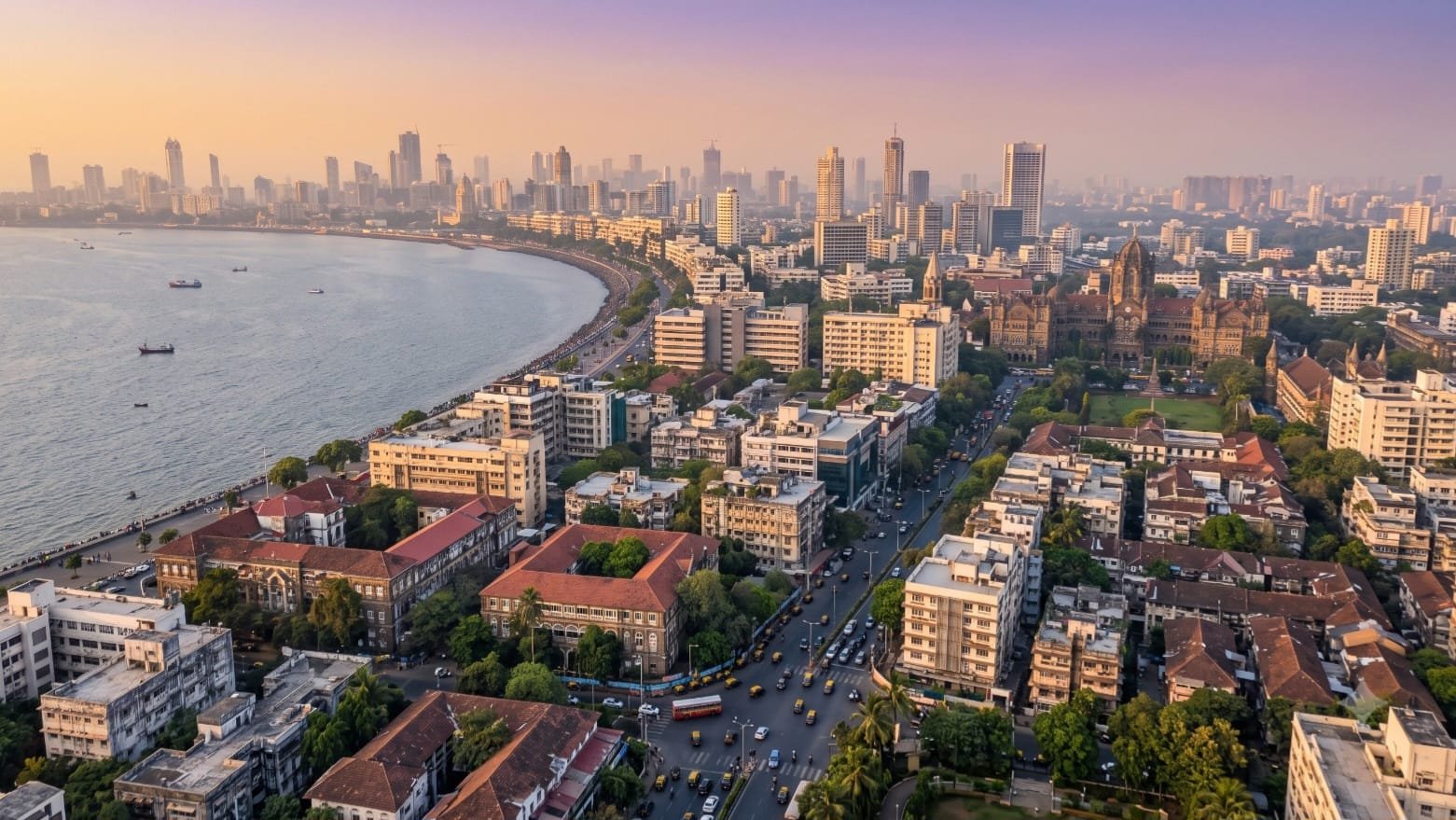
Mumbai is often the first stop for anyone traveling through Maharashtra — a city of colonial-era landmarks, a long seafront, and a pace of life that rarely slows down. Whether you're visiting for a few days of sightseeing, passing through en route to Nashik or Shirdi, or landing at the airport before an onward trip, this guide covers what you actually need: how to reach Mumbai, when to go, the places worth your time, local food, festivals, getting around the city, and — since many travelers use Mumbai as a gateway to Nashik's temples and vineyards — how that onward leg typically works.Mumbai sits on India's west coast in Maharashtra, right on the Arabian Sea, and is the state's capital and financial hub. It's also the closest major airport city to Nashik, about 165 km away, which makes it a common starting point for pilgrims heading to Trimbakeshwar or travelers combining a city trip with a wine-country weekend. Here's a complete breakdown to help plan the visit.
Mumbai at a Glance:
State Maharashtra, India
Known for Colonial architecture, Bollywood, the seafront, street food
Main airport Chhatrapati Shivaji Maharaj International Airport (BOM), about 30 km from South Mumbai
Main railway stations Chhatrapati Shivaji Maharaj Terminus (CST), Mumbai Central
Distance to Nashik Approx. 165 km via NH160 (around 3.5–4.5 hours by road)
Distance to Pune Approx. 155 km (around 3.5–4.5 hours by road)
Best time to visit November to February
Local languageMarathi (Hindi and English are widely understood)
1. How to Reach Mumbai:
Mumbai is India's best-connected west coast city, so getting there is rarely the hard part — the bigger decision is usually what to do once you land.
By Air:
Chhatrapati Shivaji Maharaj International Airport (BOM) is Mumbai's main airport, located about 30 km from the city center in South Mumbai, with extensive domestic and international connectivity. It's also the most practical gateway if you're heading onward to Nashik, since Nashik's own airport (Ozar) has limited flight connectivity.
By Rail:
Mumbai has two major long-distance railheads — Chhatrapati Shivaji Maharaj Terminus (CST) and Mumbai Central — both well connected to cities across India, along with Mumbai's extensive suburban rail network for getting around once you're in the city.
By Road:
If you're coming from Nashik, Pune, or elsewhere in Maharashtra, Mumbai is well connected by national highways. From Nashik specifically, the drive covers roughly 165 km via NH160 through Kasara Ghat and Igatpuri, taking around 3.5 to 4.5 hours depending on traffic and time of day.
2. Best Time to Visit Mumbai:
November to February is generally the most comfortable window, with cooler, drier weather that suits both walking tours and a day trip out to Elephanta Island. March to May turns hot and humid, and midday sightseeing can feel draining.
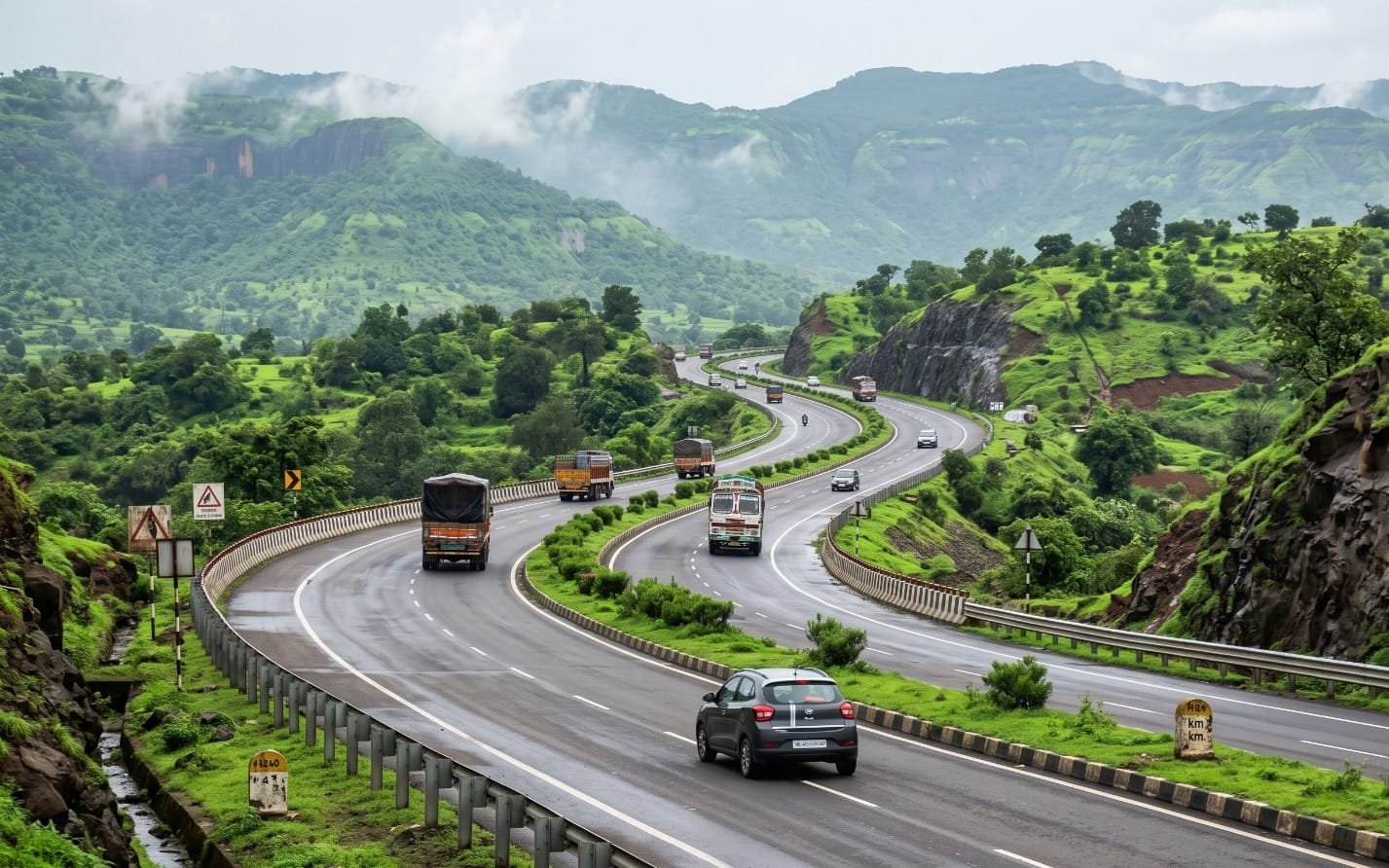
The monsoon (June to September) brings heavy rain and occasional waterlogging, but it's also when the city and surrounding Western Ghats (including the route toward Nashik) turn lush and green — appealing if you don't mind carrying an umbrella and building some flexibility into your plans.
3. Top Places to Visit in Mumbai:
Iconic Landmarks & Heritage:
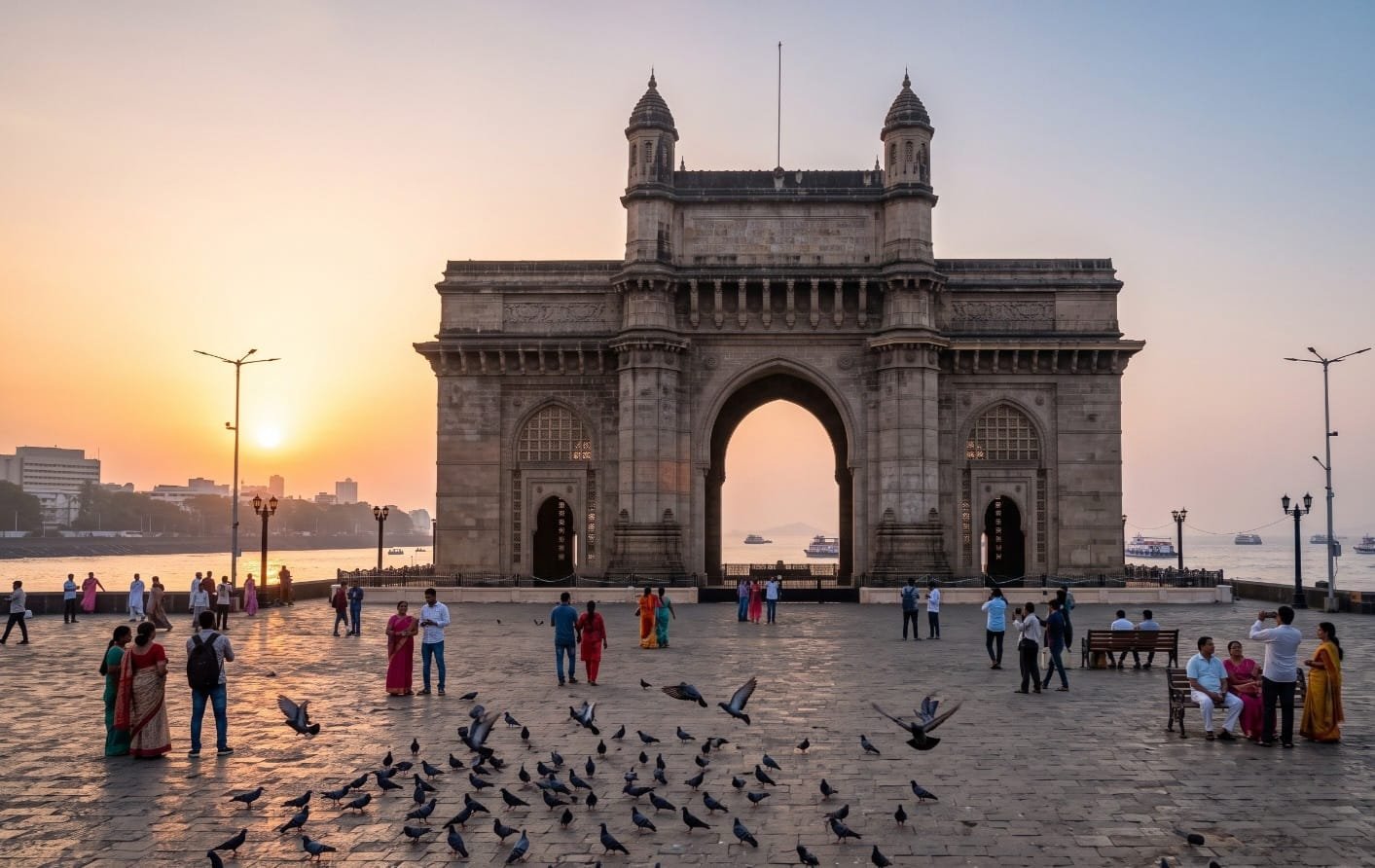
Gateway of India
Mumbai's most recognizable monument, overlooking the harbor in Colaba, and usually the first stop on any Mumbai itinerary.
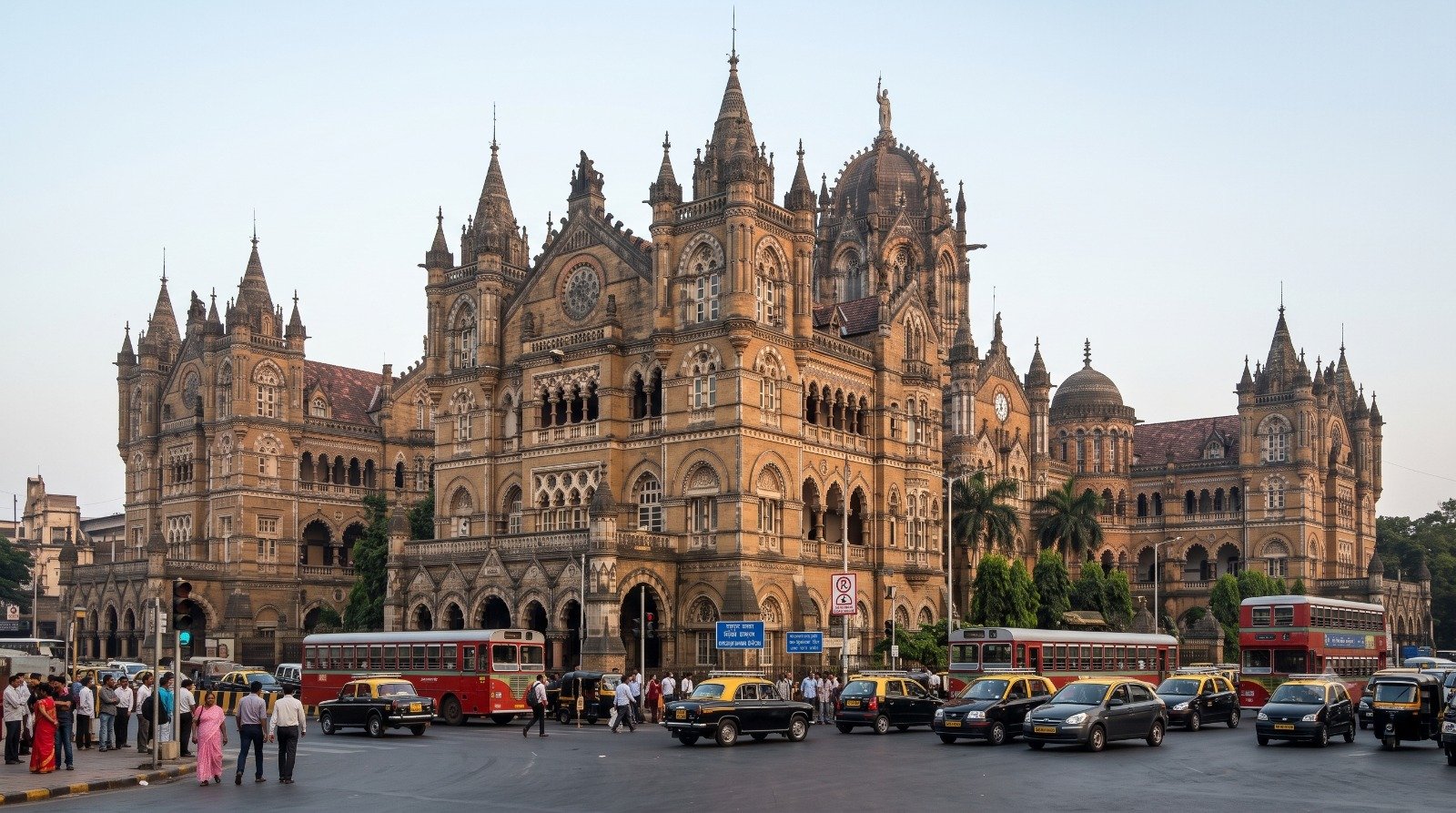
Chhatrapati Shivaji Maharaj Terminus (CST)
A UNESCO World Heritage railway station known for its Victorian Gothic architecture.
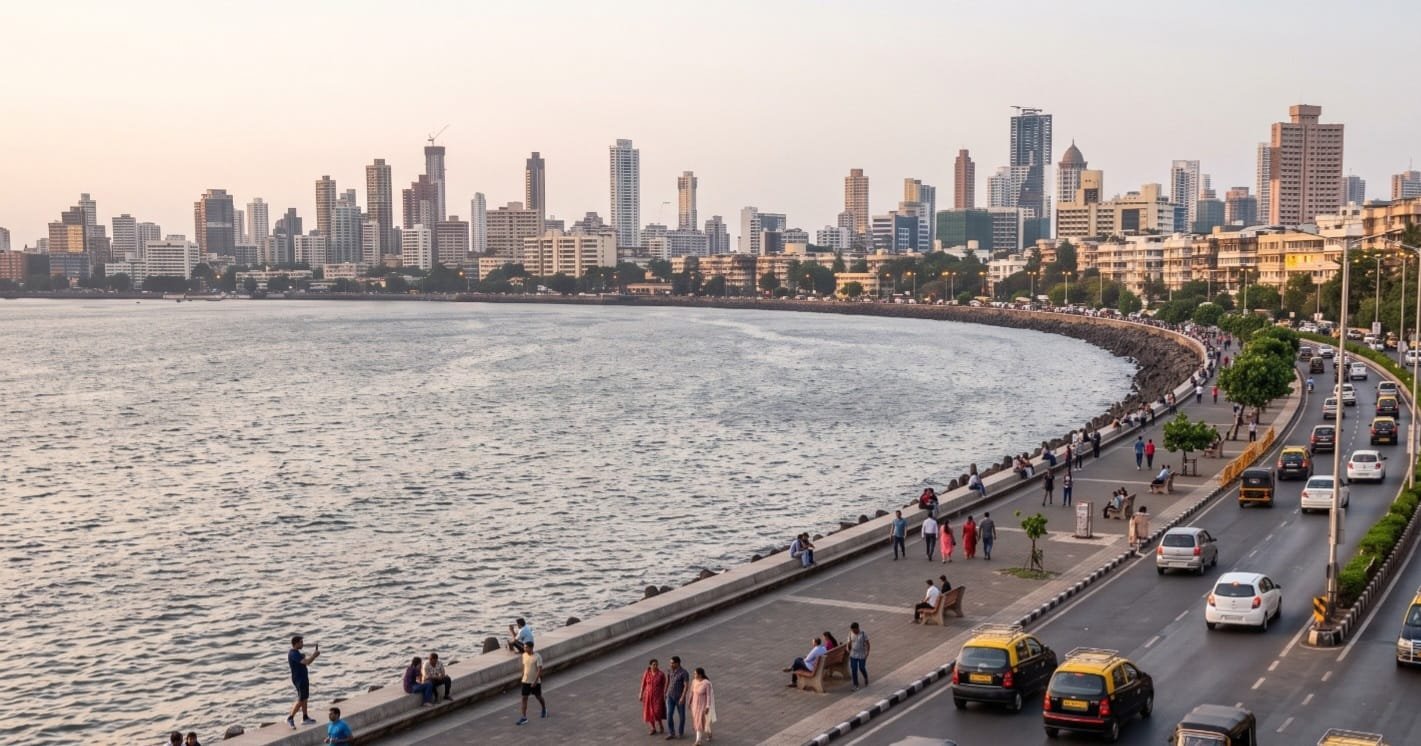
Marine Drive
A sweeping promenade along the Arabian Sea, popular for an evening walk and known locally as the "Queen's Necklace" once the streetlights come on.
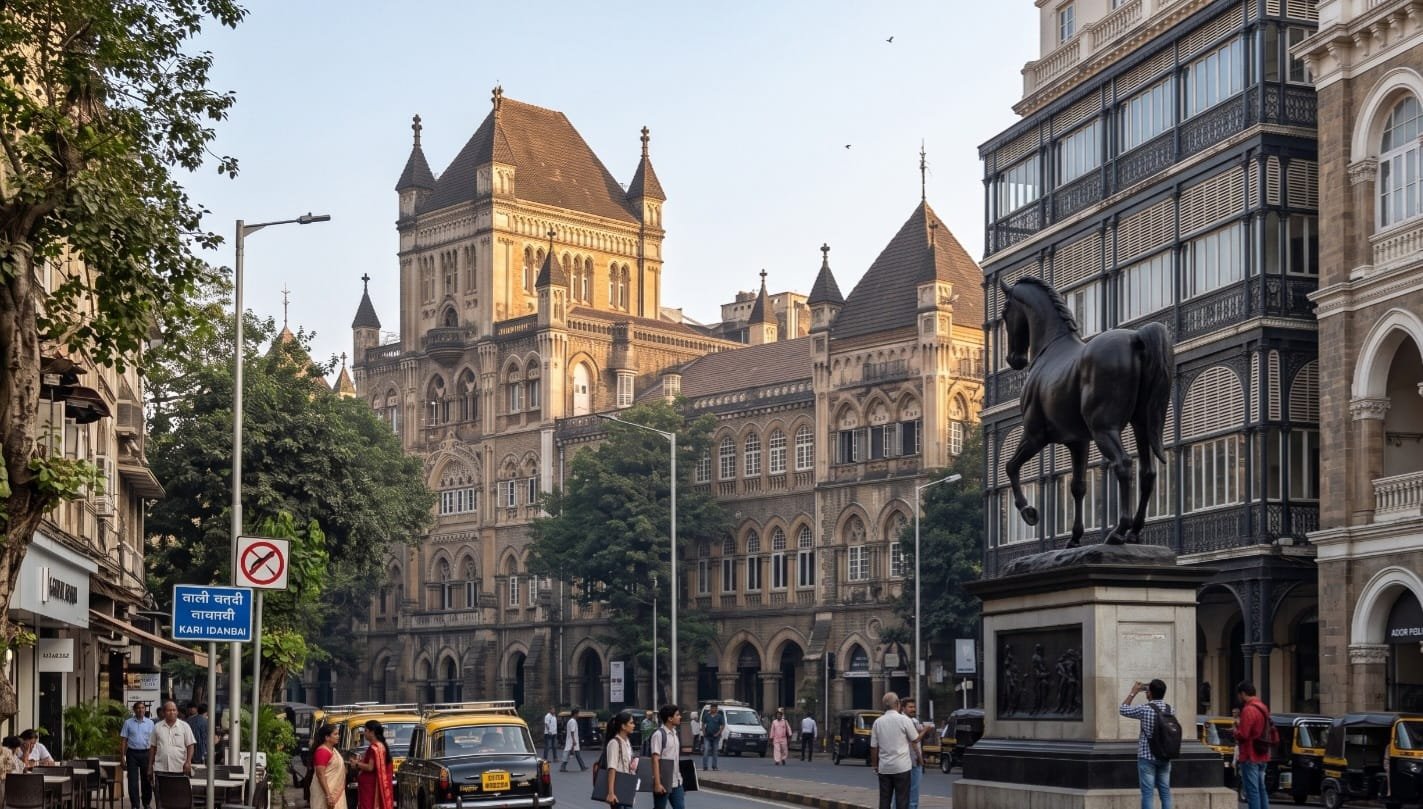
Kala Ghoda
An art district in South Mumbai with galleries, including the Jehangir Art Gallery, and an annual arts festival.
Religious & Cultural Sites:
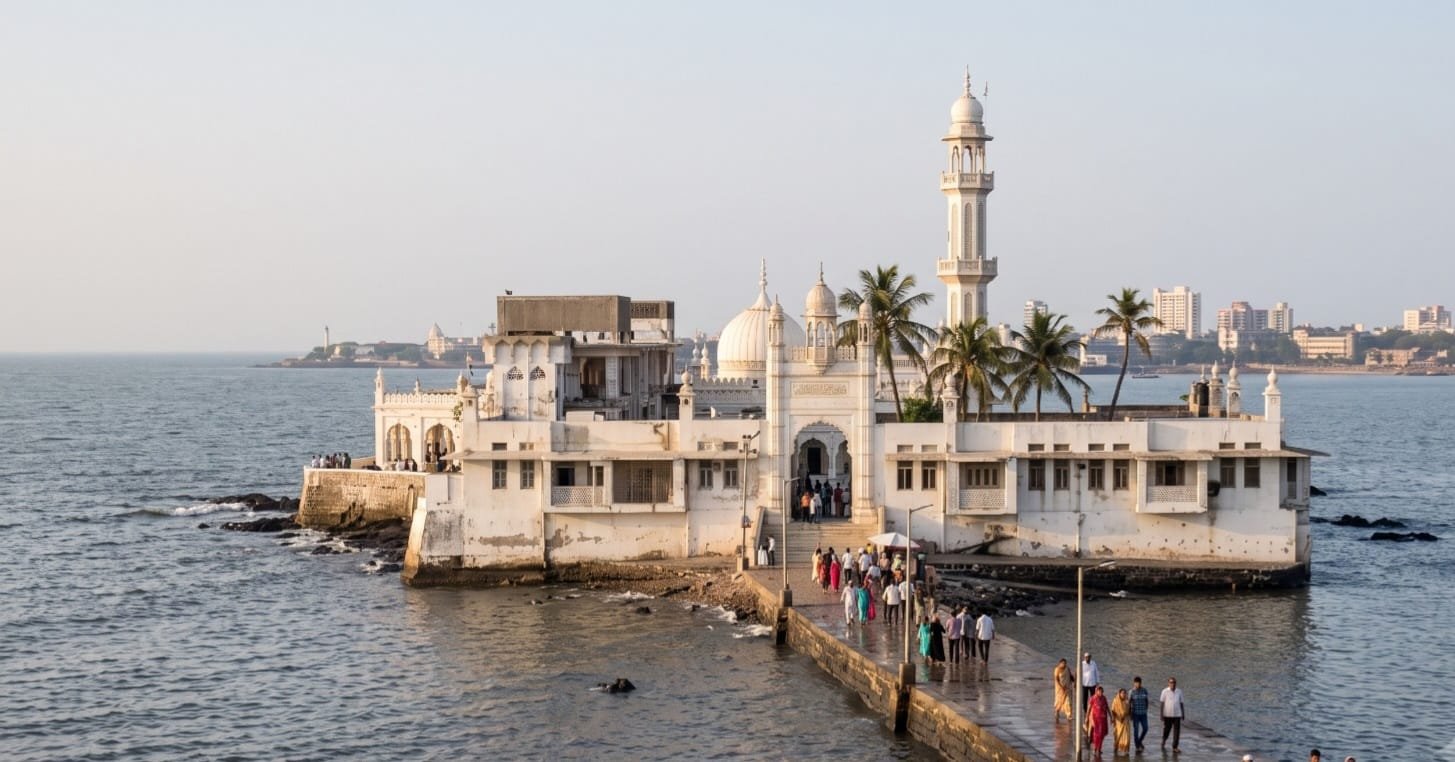
Haji Ali Dargah
A mosque and dargah built on an islet off Worli, connected to the mainland by a causeway.
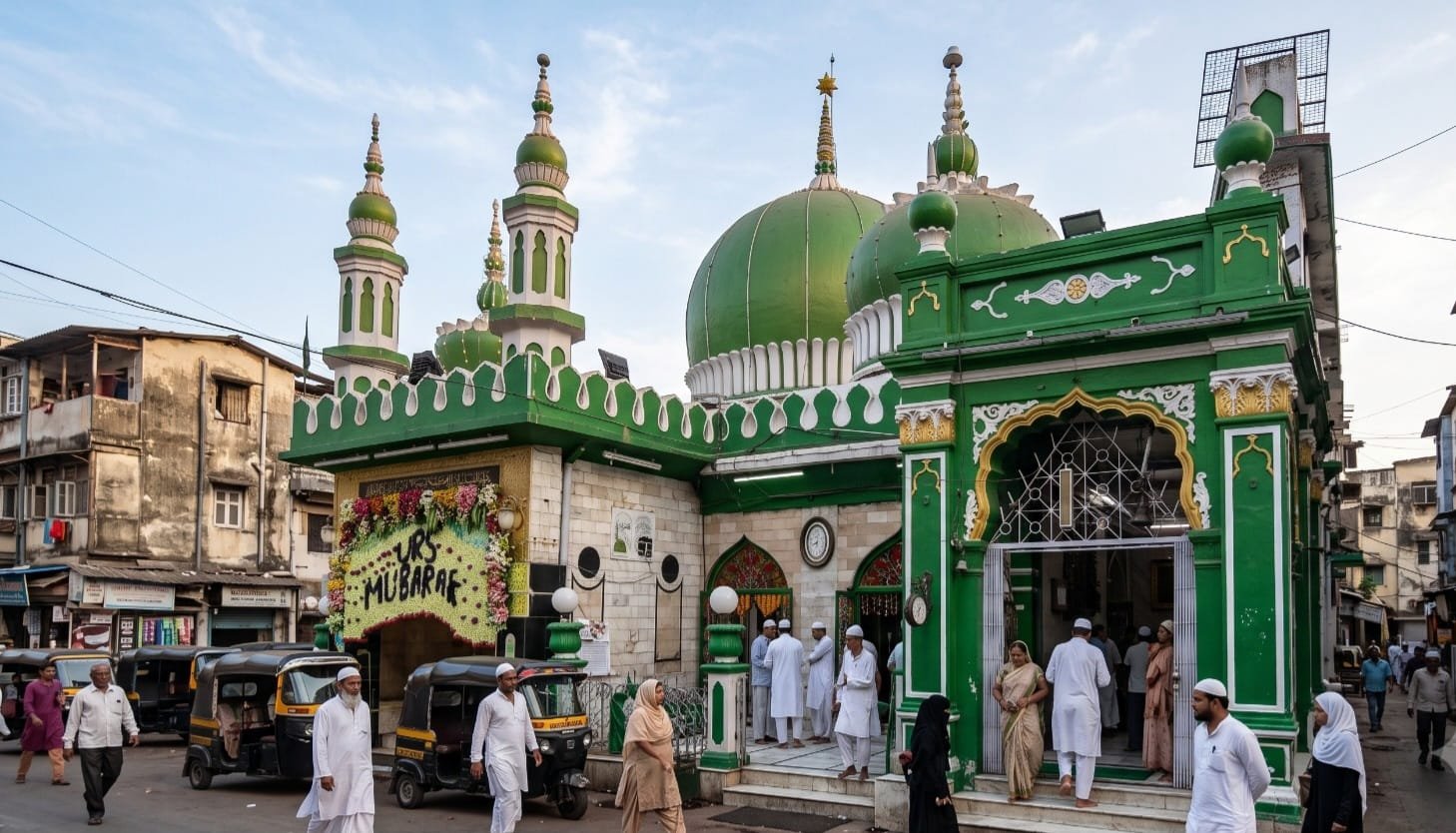
Mahim Dargah
Mahim Dargah is a famous 15th-century Sufi shrine located in Mumbai, India, dedicated to the revered saint Hazrat Makhdoom Ali Mahimi,
Markets & Neighborhoods:
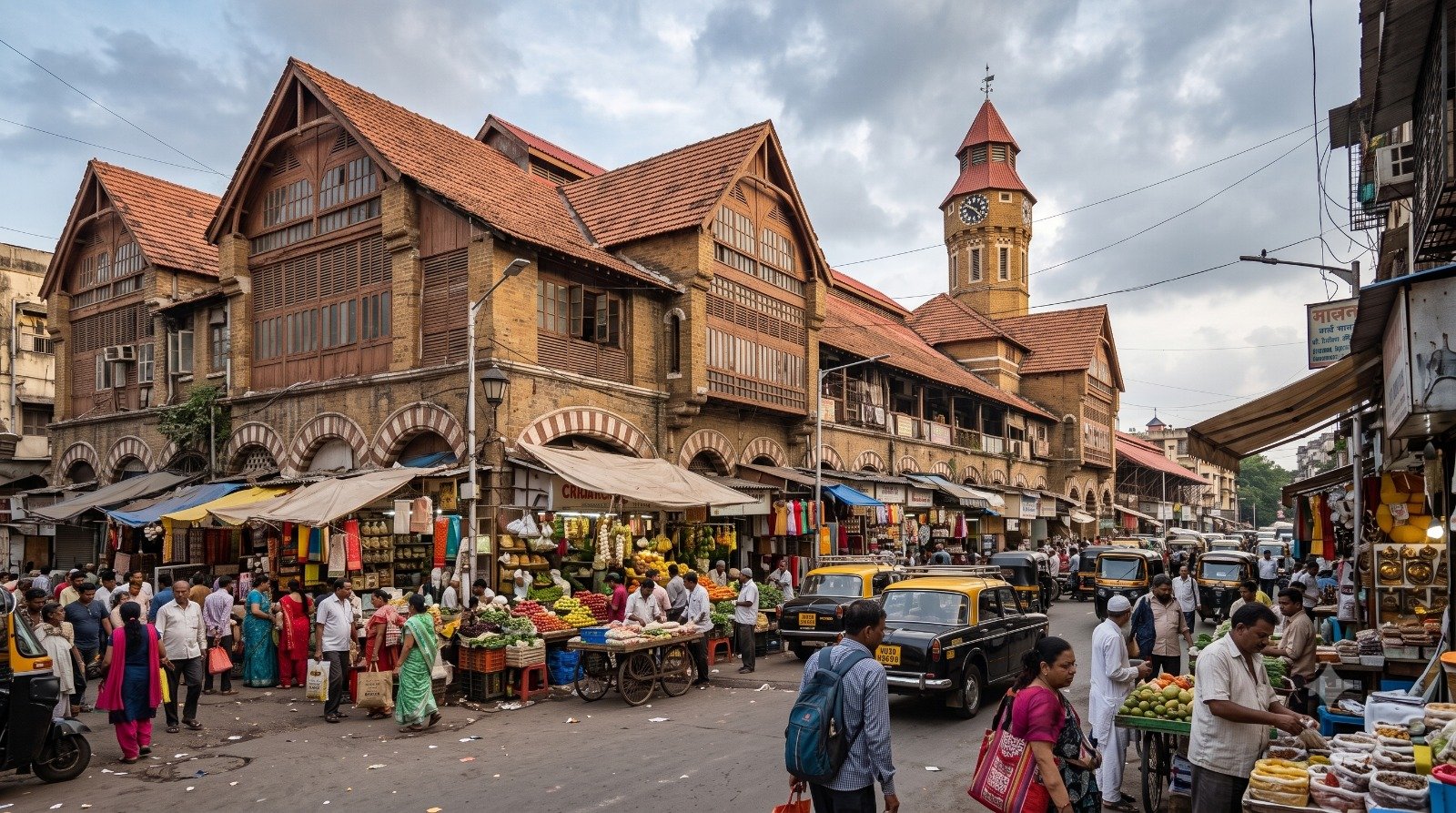
Colaba Causeway & Crawford Market
Popular for street shopping, from clothing to spices and souvenirs.
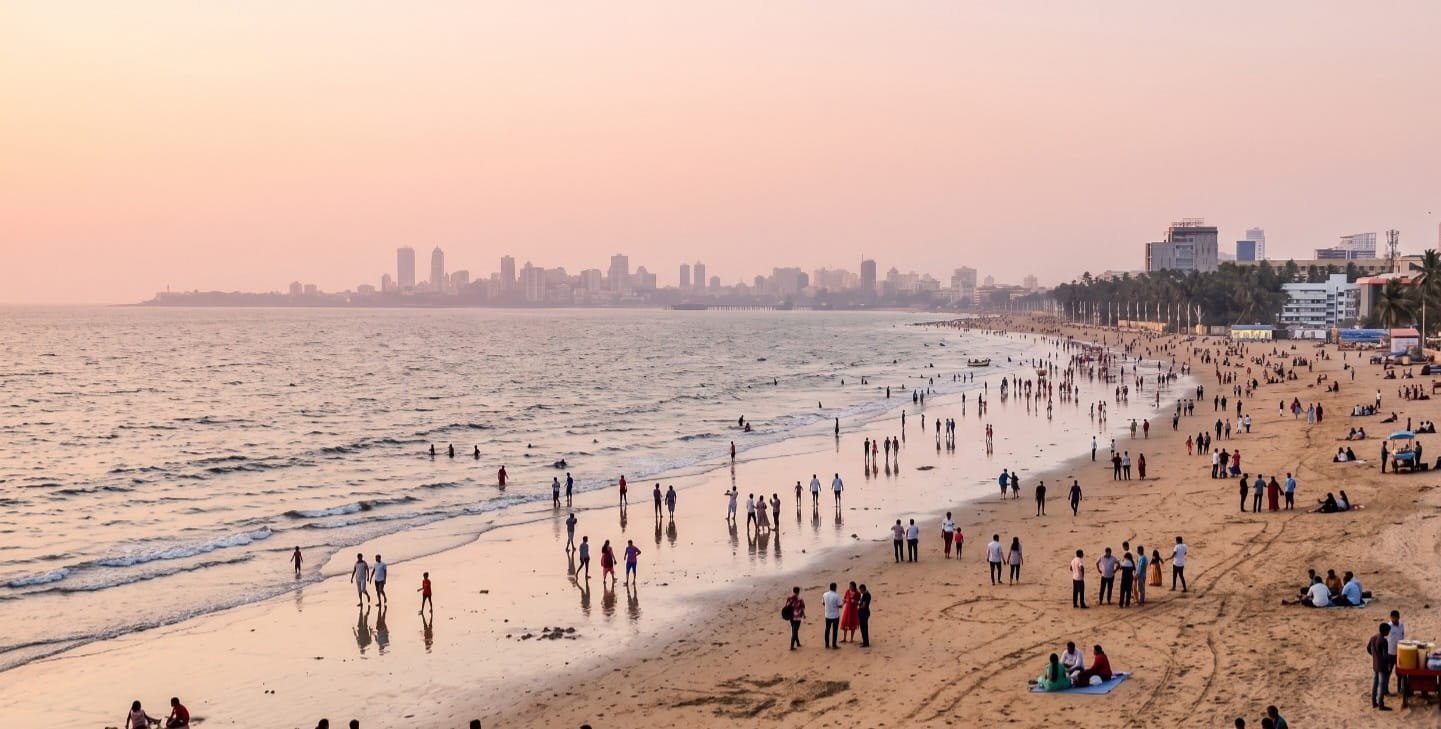
Juhu Beach
A wide, lively beach in the northern suburbs, well known for its street food stalls in the evening.
4. What Mumbai Is Famous For:
Mumbai is home to the Hindi film industry, widely known as Bollywood, with Film City in the northern suburbs drawing visitors curious about how films are made. It's also India's financial capital, known for its colonial-era architecture along the southern coastline, its long seafront promenades, and a street food culture that's considered among the best in the country.
5. Local Food to Try in Mumbai:
Mumbai's street food is a major part of the experience.
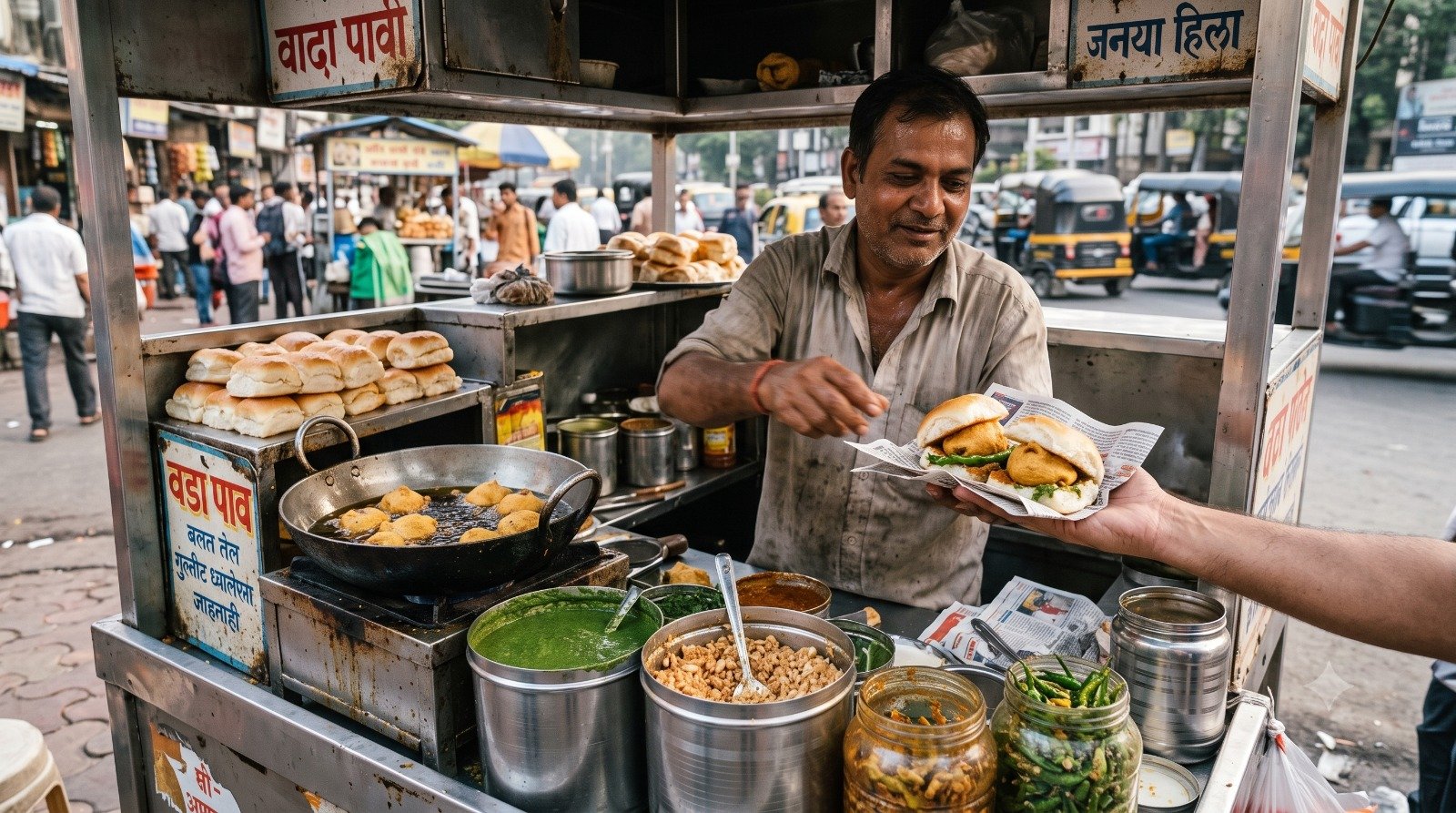
Vada Pav — a spiced potato fritter in a bun — is the city's signature snack, sold everywhere from roadside stalls to sit-down restaurants.
Pav Bhaji, a mashed vegetable curry served with buttered bread, is another local staple.
Look out for khau gallis (food alleys) — lanes with a dense cluster of food stalls — which are common across several neighborhoods and worth exploring if you want to sample a wide range of dishes in one stop.
Given Mumbai's coastal location, fresh seafood is also widely available, particularly in older neighborhoods close to the fishing communities along the coast.
6. Festivals & Events in Mumbai:
Ganesh Chaturthi is Mumbai's biggest festival by far, typically falling between August and September, with elaborate processions and immersions of Ganesh idols across the city — this is when the city is at its most crowded and celebratory, but also its most chaotic for getting around.
The Kala Ghoda Arts Festival, usually held in February, is a major cultural event featuring art, music, theatre, and installations across the Kala Ghoda district.
7. Getting Around Mumbai — and Onward to Nashik
Within Mumbai, the suburban rail network (Western, Central, and Harbour lines) is how most locals get around quickly, though it can get extremely crowded during peak hours.
For visitors, especially those with luggage or limited time, cabs and app-based rides are generally more practical for point-to-point travel, airport transfers, and reaching attractions that aren't near a train station.
If your Mumbai trip is part of a longer journey — particularly common for travelers heading to Nashik for its temples, ghats, or vineyards — the road route is straightforward: about 165 km via NH160, passing through Kasara Ghat and Igatpuri, in roughly 3.5 to 4.5 hours depending on traffic.
This is a popular route for:Pilgrims heading to Trimbakeshwar or planning a broader Jyotirlinga circuit.Wine-country travelers combining a Mumbai city trip with a Nashik vineyard visit.
Airport-to-Nashik transfers, for anyone flying into Mumbai and continuing straight to Nashik rather than staying in the city.
Zoom Cabs operates outstation cabs on the Mumbai to Nashik route, including airport pickups,
with a confirmed quote typically available within a few minutes of enquiry.
Your driver's name, phone number, and vehicle details are shared with you before pickup,
and you can choose from a sedan, MPV, or SUV depending on group size
and luggage — useful if you're landing with family or a larger group headed onward to Nashik.
8. Planning Your Mumbai Trip: Practical Tips:
How many days do you need? Two to three days is enough to cover the major South Mumbai landmarks,
a day trip to Elephanta Caves, and some time in the northern suburbs (Bandra, Juhu). If Mumbai is just a stopover before Nashik,
even a half-day covering Gateway of India and Marine Drive is a reasonable taste of the city.
Traffic matters more than distance. Mumbai's traffic can be heavy at almost any hour, so build buffer time into any itinerary, especially before a flight or long onward drive.
Choosing a vehicle for onward travel: A sedan is comfortable for couples or small groups heading to Nashik; an MPV or SUV is a better fit for families or groups with more luggage, particularly for the Kasara Ghat stretch of the drive.
One-way vs. round-trip: If you're flying into Mumbai and continuing straight to Nashik without returning, a one-way cab means you're not paying for a return leg you won't use.
Monsoon travel: If you're visiting or driving through during the monsoon (June–September), expect the Mumbai–Nashik drive to take longer than usual due to rain and traffic near the ghats.